Science Quiz | The science of taste

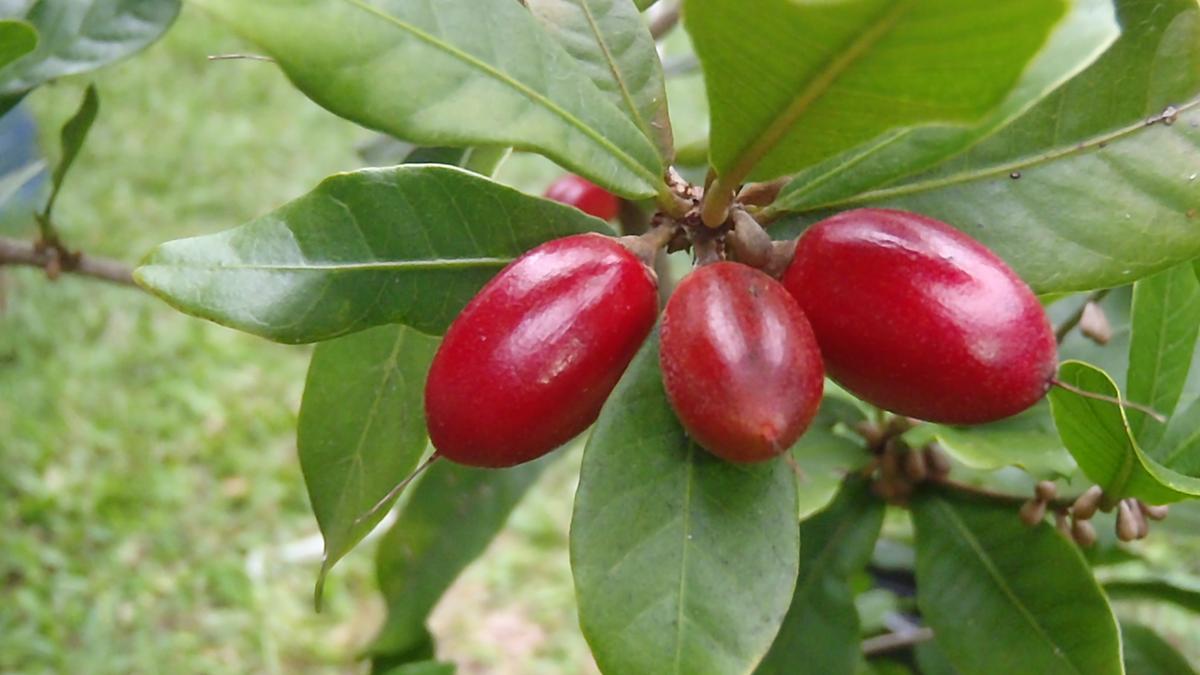
The science of taste The Miracle Berry contains a compound called miraculin that binds to sweet receptors and can make acidic foods like lemon taste sweet for about an hour. START THE QUIZ 1 / 5 | You don’t ‘taste’ most of what you call taste. Instead, a large share of the flavour comes from … Read more

Scientists confirm HIV capsid is a good drug target despite resistance

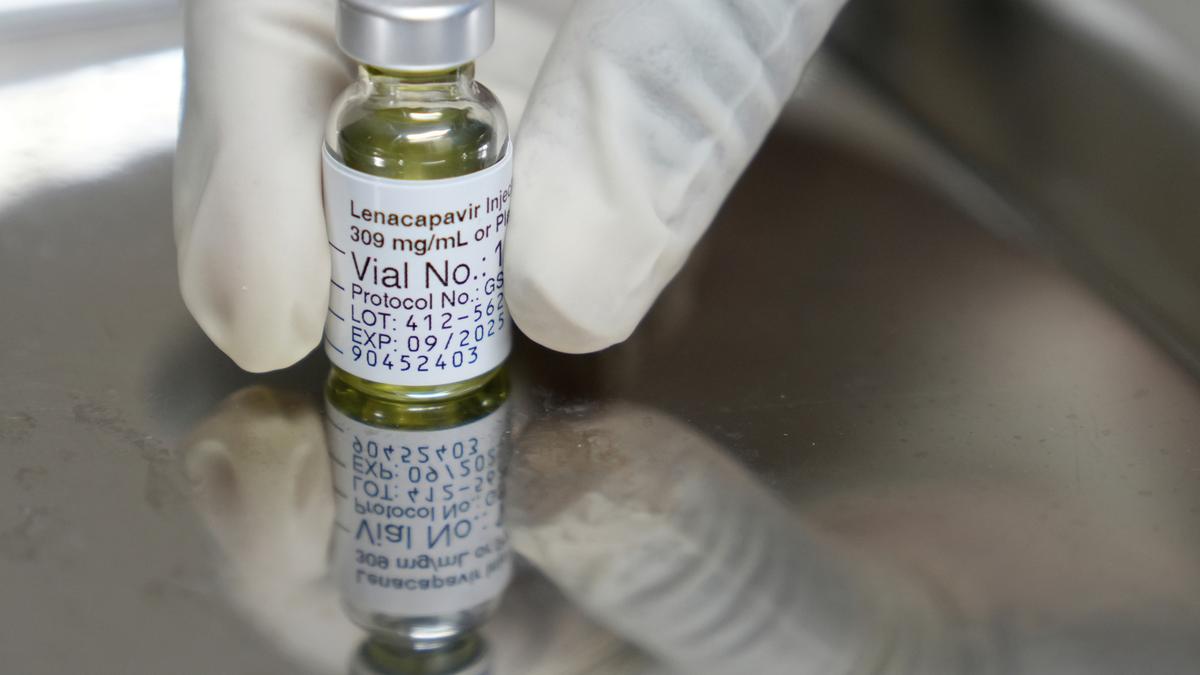
In 1987, four years after the discovery of HIV as the causative agent of AIDS, scientists reported the first drug effective against the virus, called zidovudine. Zidovudine targeted a viral enzyme called reverse transcriptase, and prevented the virus from completing its life-cycle. However, zidovudine was no magic bullet. It could hold the virus at bay … Read more

What does the India-Brazil critical minerals MoU mean for the two countries?

The story so far: India and Brazil signed a memorandum of understanding (MoU) on rare earths and critical minerals during President Lula da Silva’s state visit to India on February 21, 2026. The joint statement said the two countries want to work together across the full mineral “value chain” and that the understanding includes exploration, … Read more

Why don’t left-handed persons make up half the population?

Hand preference reflects how the brain organises movement control | Photo Credit: Kelly Sikkema/Unsplash — Gayatri Chandrashekar A: There’s a neural basis for handedness but it’s not due to any single part of the brain. Hand preference reflects how the brain organises movement control. In most right-handed people, the left hemisphere has stronger control over … Read more

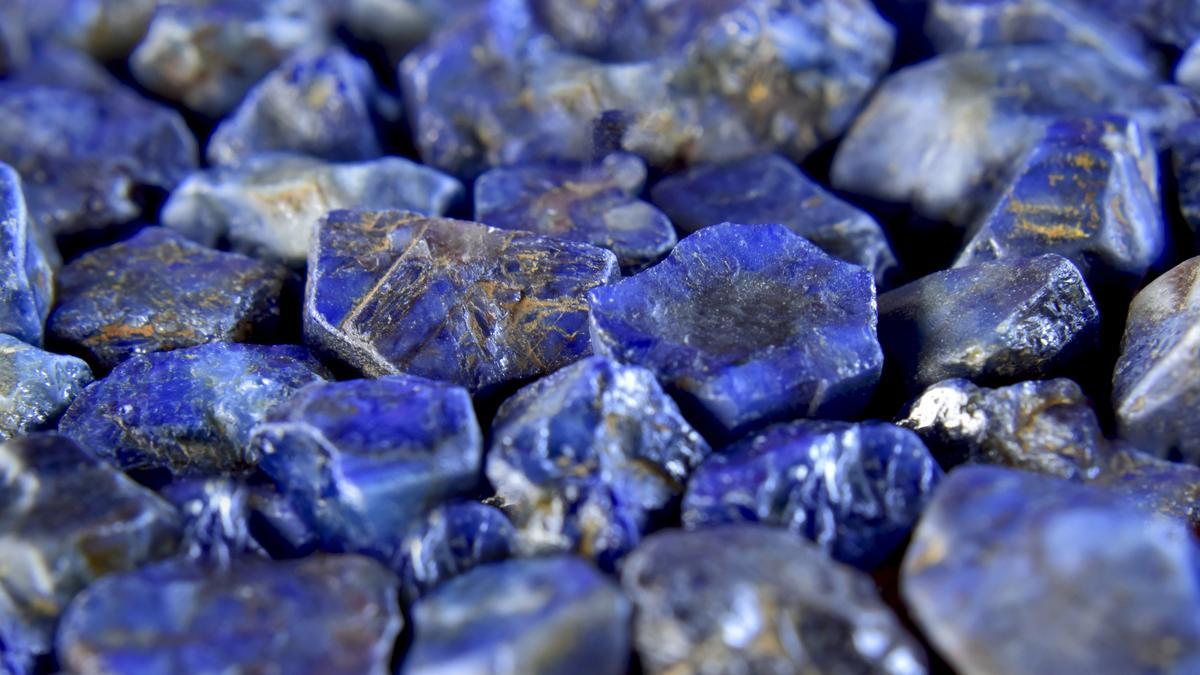
Blue: the colour that moved kings before poets

When Isaac Newton wrote Opticks, published in 1704, he divided the colour spectrum into the now famous VIBGYOR, a set of seven colours (the decision was not, as such, scientific because Newton’s choice was dictated by ‘7’ being a significant number in alchemy.) What Newton observed was a series of hues merging into one another, … Read more

IISc researchers find out how the brain suppresses itch during stress

“Scientists have long known that emotional states such as stress and anxiety can influence the intensity of these sensations. While the neural mechanisms linking stress and pain have been studied extensively, the effect of stress on itch has remained poorly understood,” IISc said. File | Photo Credit: The Hindu Researchers at the Indian Institute of … Read more