Science Snapshots: March 22, 2026

Around 2.7 million years ago, the world’s oceans cooled by 2.5 C. | Photo Credit: Egle Sidaraviciute/Unsplash Oceans more than gases helped earth cool When researchers recently analysed Antarctic ice cores to reconstruct the earth’s climate over the last three million years, they found that the world’s oceans cooled by 2.5 C, most of it … Read more
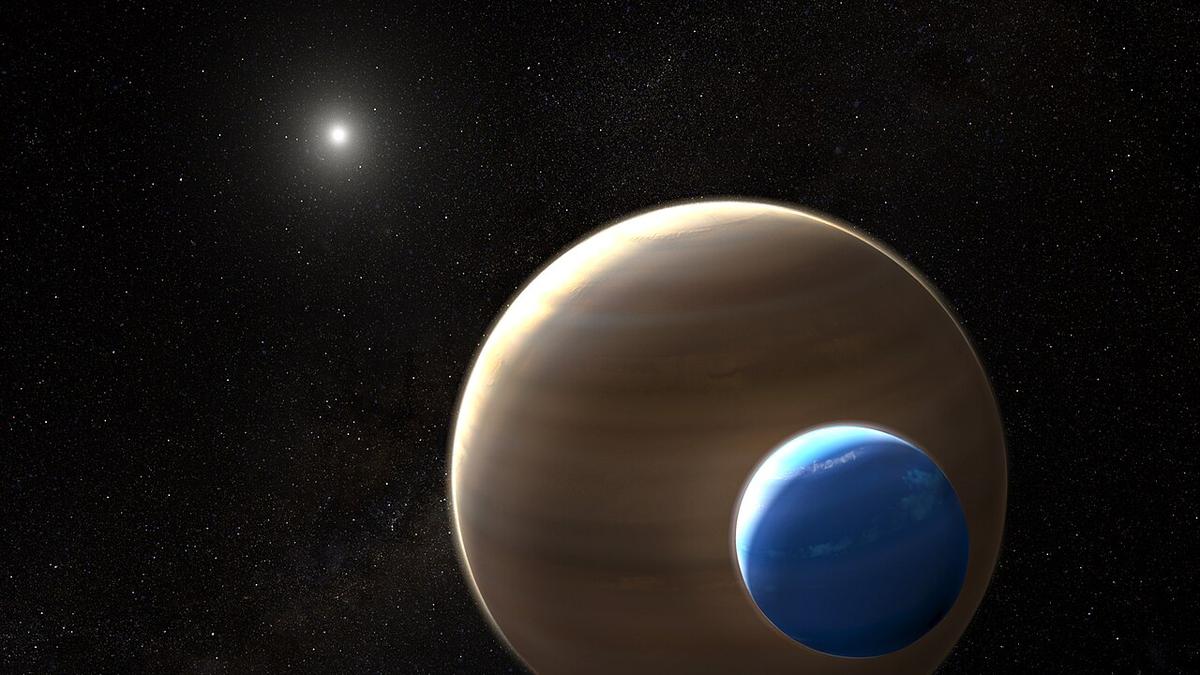

Science for All Newsletter: Some moons may have conditions suitable for the emergence of life

An artist’s impression of an exomoon. Dense hydrogen atmospheres and internal heating could keep these moons habitable for billions of years, finds a study. | Photo Credit: Wiki Commons The Hindu’s weekly Science for All newsletter explains all things Science, without the jargon. In an astonishing discovery in 2009, a mission to the moon chanced … Read more

Cost concerns delay safer building codes despite Himalayan threats

Are the risks to structures in the Himalayas and north-eastern states from earthquakes overestimated? Scientists, structural engineers, representatives from several government ministries are expected to deliberate and report back to the Cabinet Secretariat in the coming weeks. This follows a ‘withdrawal’ earlier this month by the Bureau of Indian Standards (BIS) of a set of … Read more

Animals that show intentional communication is not just human

The elephant named Suvarna engages with her calf ‘Sudha’ at Bannerghatta National Park, 2020. | Photo Credit: File photo All living beings communicate. In honeybees, communicative signals in the form of a wiggle dance transmit information on the location of flowers. Recipient bees decode this information and use it to guide their behaviour. Human language … Read more

Losing the way: On ISRO and issues with its NavIC constellation

ISRO’s NavIC constellation, for which it has launched 11 satellites since 2013, is in operational distress. Only three satellites remain capable of providing position, navigation, and timing (PNT) services, leaving the constellation unable to fulfil its purpose of replacing the U.S.’s GPS system over the Indian subcontinent. A PNT constellation requires at least four PNT-capable … Read more